


Owning property, whether residential, commercial, or mixed-use, comes with responsibilities that extend far beyond appearance and location. Behind every functional building is a network of interconnected systems that quietly determine safety, comfort, efficiency, and long-term value. When these systems are ignored or misunderstood, small issues can escalate into costly disruptions that affect occupants, operations, and profitability.
Many property owners rely on reactive decision-making, addressing problems only after something fails. While this approach may seem manageable in the short term, it often leads to higher expenses, insurance complications, and preventable downtime. A more strategic mindset, one grounded in system awareness and preventive planning, helps owners make informed decisions before emergencies arise.
This guide breaks down the most critical building systems property owners should understand. Rather than focusing on technical jargon, the emphasis is on real-world implications, common mistakes, and practical steps owners can take to protect their investments and reduce long-term risk.
Planning Roof Systems for Longevity and Risk Reduction
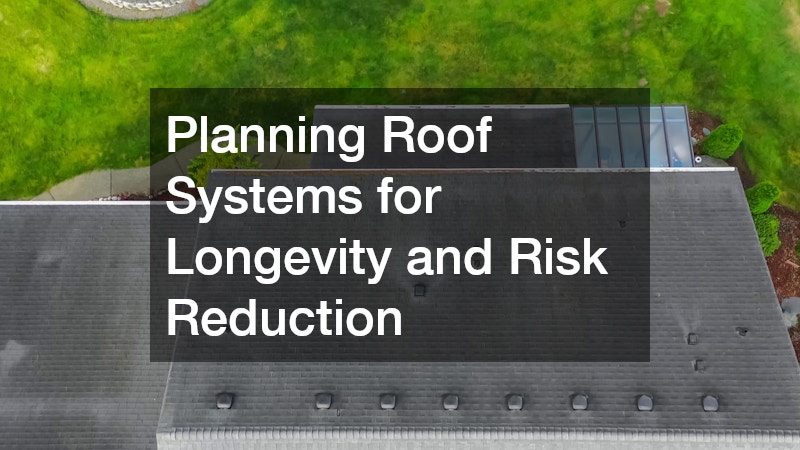
The roof plays a central role in protecting every other component of a building. A failure at the top can cascade downward, damaging interiors, equipment, insulation, and even structural elements long before leaks become obvious inside the space. Because roof-related issues often develop out of sight, they tend to be underestimated until the damage becomes expensive and disruptive.
For larger facilities, commercial roofing decisions influence far more than basic weather protection. Roof design and material choices directly affect energy efficiency, interior temperature stability, drainage performance, and compliance with local building codes. Flat and low-slope roofs, common in warehouses, retail centers, offices, and industrial buildings, require specialized membranes, fastening systems, and drainage solutions that differ significantly from residential installations. Improper design or installation in these systems increases the likelihood of ponding water, premature material breakdown, and hidden moisture intrusion.
A proactive planning approach helps property owners reduce long-term risk and extend roof lifespan. Instead of relying on reactive repairs, owners should focus on consistent evaluation and documentation. Effective strategies include:
-
Scheduling routine inspections rather than waiting for visible damage, especially after severe weather events
-
Keeping detailed records of repairs, materials used, inspection reports, and warranty terms
-
Understanding how roof penetrations for vents, signage, HVAC units, or solar equipment create vulnerable points
-
Evaluating drainage patterns after heavy storms to identify ponding or slow-moving water
Roof penetrations deserve special attention because they are among the most common failure points. Even properly installed flashing can degrade over time due to temperature changes, movement, or sealant breakdown. Each new penetration increases complexity and long-term maintenance needs, making coordination between contractors essential.
When selecting providers for roofing services, it’s critical to look beyond price alone. The lowest bid may not account for long-term performance or compatibility with existing systems. Property owners should prioritize providers who demonstrate:
-
Experience with the specific roof type and material system in place
-
Knowledge of regional weather patterns and code requirements
-
Clear maintenance recommendations and inspection schedules
-
Transparent documentation and warranty support
Long-term planning also means integrating roof care into broader property management efforts. Roof work should not happen in isolation, as poor coordination can lead to duplicated labor or unnecessary damage during future upgrades.
Additional best practices that support longevity include:
-
Addressing minor membrane damage immediately to prevent moisture intrusion and insulation saturation
-
Clearing debris from drainage systems regularly to avoid water buildup and added structural load
-
Coordinating roof work with equipment replacements or energy upgrades to avoid cutting into newly installed materials
A well-maintained roof does more than prevent leaks. It stabilizes operating costs, protects interior assets, supports energy efficiency, and reduces the likelihood of emergency repairs. For property owners focused on long-term value and risk reduction, roof system planning is not an optional expense, it’s a foundational investment in the building’s overall performance.
Managing Climate Control for Comfort and Efficiency
Temperature regulation and airflow are among the most noticeable factors affecting occupant comfort, yet they are often taken for granted until problems arise. Inconsistent temperatures, stale air, or excessive humidity can quickly lead to complaints, reduced productivity, and increased energy consumption. Over time, poor system performance may also contribute to health concerns, especially in buildings with high occupancy or limited ventilation.
Routine coordination with qualified HVAC services helps ensure systems operate as they were designed, rather than overcompensating for underlying issues such as poor insulation, blocked airflow, or outdated controls. Climate control systems are interconnected networks made up of mechanical components, sensors, and distribution pathways. When one element underperforms, the entire system must work harder to maintain acceptable conditions, increasing wear and operating costs.
Several components play a direct role in maintaining consistent and efficient performance:
-
Filters influence airflow and contaminant removal
-
Ductwork determines how evenly air is distributed
-
Thermostats and control systems regulate output and scheduling
-
Mechanical components respond to load and environmental changes
To improve performance and reduce strain on equipment, property owners should adopt a structured maintenance approach rather than reacting to discomfort or breakdowns. Key actions include:
-
Replacing filters on a consistent schedule based on occupancy and usage levels
-
Inspecting ductwork for leaks, loose connections, or obstructions that reduce efficiency
-
Calibrating thermostats to prevent short cycling and uneven heating or cooling
-
Monitoring energy usage for unexplained spikes that may indicate system inefficiencies
Seasonal planning is also critical. Systems should be evaluated before peak heating or cooling periods to ensure they can handle increased demand without failure. Preventive tune-ups reduce emergency repairs and help extend the lifespan of major components.
Beyond temperature control, air cleanliness significantly affects occupant well-being and perception of the space. Indoor air quality services focus on reducing allergens, managing moisture, and limiting airborne contaminants that can accumulate in enclosed environments. These issues often develop gradually, making them easy to overlook until occupants begin experiencing discomfort or health-related symptoms.
Property owners can take several actionable steps to improve air quality:
-
Managing humidity levels to discourage mold and mildew growth
-
Improving ventilation in high-traffic, enclosed, or poorly circulated areas
-
Evaluating filtration systems during renovations, system upgrades, or occupancy changes
It’s also important to recognize that building usage evolves over time. Changes in occupancy density, layout, or function can alter airflow requirements and system demand. Periodic reassessment ensures climate control systems remain aligned with how the space is actually used.
By treating climate control as an integrated system rather than a single appliance, property owners can balance comfort, efficiency, and reliability. This approach not only extends equipment lifespan but also creates healthier, more consistent environments that support long-term tenant satisfaction and operational stability.
Evaluating Supplemental Heating Features for Safety

Supplemental heating features can enhance comfort and visual appeal, particularly in common areas, lobbies, or residential units. However, these additions also introduce electrical, operational, and liability considerations that property owners must address proactively. When installed or managed improperly, supplemental heat sources can create fire hazards, increase electrical strain, and expose owners to avoidable safety risks.
An electric fireplace is often viewed as a low-risk alternative to traditional heating features because it does not rely on open flames or fuel combustion. While this eliminates concerns related to gas leaks or venting, it does not remove all safety considerations. These systems generate concentrated heat and draw significant electrical power, making proper installation and oversight essential.
Before adding or approving supplemental heating features, property owners should conduct a thorough assessment that includes:
-
Whether existing electrical systems can support the added load without overtaxing circuits
-
Placement in relation to furniture, walkways, exits, and flammable materials
-
Compliance with manufacturer specifications for clearance, ventilation, and installation
-
Recommended maintenance schedules and inspection requirements
In shared or multi-unit environments, usage guidelines are especially important. Clear policies help ensure occupants use features responsibly and consistently, reducing the risk of misuse or accidental damage. These guidelines should define acceptable usage times, restrictions on nearby items, and procedures for reporting issues.
Several common mistakes increase risk and should be actively avoided:
-
Overloading circuits by pairing heating features with other high-demand appliances
-
Ignoring warning signs such as overheating surfaces, flickering lights, or unusual odors
-
Allowing unauthorized modifications or installations by unqualified individuals
Routine inspections play a critical role in maintaining safety. Even systems that appear to function normally can develop hidden issues over time due to wiring wear, component fatigue, or changes in surrounding conditions. Periodic checks help identify problems before they escalate into hazards.
Property owners should also consider how supplemental heating fits into broader building operations. Adding localized heat sources may affect overall temperature balance, prompting occupants to adjust central systems in ways that increase energy use or strain equipment.
Clear usage policies, documented inspections, and thoughtful placement ensure supplemental heating features remain assets rather than liabilities. When managed responsibly, these additions can improve comfort and ambiance without compromising safety or operational stability.
Preparing for Plumbing Failures Before They Escalate
Water damage is one of the most expensive and disruptive issues property owners face. Plumbing failures rarely happen at convenient times, and delays in response can multiply repair costs within minutes.
Preparing for emergency plumbing situations requires more than having a contact number on file. Owners should understand the layout of their systems and empower staff or tenants to act quickly when problems arise.
Key preventive measures include:
-
Labeling shutoff valves clearly and ensuring access
-
Inspecting high-risk areas such as older piping and mechanical rooms
-
Monitoring water pressure to detect hidden issues
-
Replacing aging components before failure
A response plan should outline:
-
Who is authorized to shut off water
-
How to document damage for insurance purposes
-
Which areas should be checked after an incident
Preparation reduces panic and limits damage when unexpected issues occur.
Reducing Loss Through Fire Preparedness and Recovery Planning
Fire incidents impact far more than visible surfaces. Heat, smoke, and suppression efforts can compromise structural integrity, wiring, and indoor environments long after flames are extinguished.
Planning ahead for fire damage restoration helps property owners recover faster and avoid costly missteps during an already stressful situation. Understanding how recovery intersects with insurance requirements is critical.
Property owners should:
-
Maintain updated building plans and system documentation
-
Identify priority areas for post-incident assessment
-
Establish relationships with qualified recovery professionals in advance
Recovery planning should consider:
-
Smoke infiltration into ventilation systems
-
Water damage from suppression efforts
-
Temporary relocation of occupants or operations
Preparedness minimizes downtime and ensures recovery efforts address hidden damage, not just cosmetic repairs.
Maintaining Specialized Structures With Unique System Demands

Facilities designed for controlled environments present a unique set of challenges. A commercial greenhouse relies on precise coordination between temperature, humidity, ventilation, and water systems to function effectively.
Small deviations can disrupt operations quickly, making preventive maintenance essential rather than optional.
Owners should focus on:
-
Continuous monitoring of environmental conditions
-
Redundant systems for power and climate control
-
Regular calibration of sensors and controls
-
Structural materials designed to handle moisture and sunlight
Operational planning should also include:
-
Backup power strategies
-
Emergency response procedures for system failures
-
Staff training on equipment use and troubleshooting
Understanding how specialized structures operate allows owners to anticipate issues before they threaten productivity.
Addressing System Complexity in High-Density Living Spaces
Multi-unit residential properties introduce shared infrastructure that amplifies the impact of system failures. In modern apartments, one malfunction can affect dozens, or hundreds, of residents simultaneously.
Property owners must balance efficiency, comfort, and communication when managing shared systems. Clear protocols reduce confusion and frustration when maintenance or outages occur.
Best practices include:
-
Standardized maintenance schedules across units
-
Clear communication channels for residents
-
Advance notice for planned system work
-
Rapid response plans for unplanned disruptions
Owners should also evaluate:
-
How system upgrades affect occupied units
-
Liability considerations tied to shared spaces
-
Long-term planning for aging infrastructure
Proactive system management supports tenant retention and reduces operational stress.
Protecting High-Use Surfaces From Wear and Moisture Damage
High-traffic areas often experience deterioration long before other parts of a building. Surfaces exposed to vehicles, equipment, or moisture require specialized attention to prevent structural damage.
Garage floors are particularly vulnerable due to weight loads, chemical exposure, and temperature fluctuations. Neglecting these surfaces can lead to cracks, drainage issues, and safety hazards.
Property owners should:
-
Inspect surfaces regularly for cracks or pooling
-
Address drainage problems promptly
-
Apply protective coatings where appropriate
-
Monitor load limits and usage patterns
Long-term planning involves:
-
Comparing repair versus replacement costs
-
Coordinating surface work with structural inspections
-
Considering future usage changes
Maintaining these areas preserves safety and prevents deeper structural issues.
Understanding building systems isn’t about becoming a technical expert, it’s about making informed decisions that protect property value and reduce risk. Each system influences the others, and neglect in one area often creates problems elsewhere.
Property owners who invest time in learning how their buildings function are better equipped to plan maintenance, manage costs, and respond effectively when challenges arise. By shifting from reactive fixes to proactive strategies, owners can create safer, more efficient environments that stand the test of time.
A well-managed property is not defined by the absence of problems, but by how well those problems are anticipated and addressed.