

The transition from renting to owning a home is one of the most significant financial and psychological milestones in a person’s life. When you rent, your monthly housing expense is a ceiling; it is the absolute maximum you will pay for shelter that month. If the refrigerator stops cooling, if a pipe bursts in the wall, or if the heat cuts out in the middle of a winter freeze, your responsibility ends with a quick phone call to the landlord or property management company.
When you buy a home, however, your mortgage payment is no longer a ceiling. It is a floor. It is the absolute minimum you will pay to keep a roof over your head, and every single component attached to the property is now your sole responsibility. For many first-time buyers and even seasoned property owners, this reality sets in during the worst possible moments—usually at two in the morning when water is pooling on the kitchen floor or the house has gone freezing cold.
The most dangerous trap a homeowner can fall into is treating property maintenance as a series of unpredictable emergencies rather than a guaranteed, ongoing expense. This approach leads to deferred maintenance, a situation where minor, inexpensive fixes are ignored until they snowball into catastrophic, budget-breaking disasters. Homes are complex, living systems exposed to weather, daily wear and tear, and time. Things will break. Materials will degrade. Systems will eventually fail.
The goal of this comprehensive guide is not to teach you how to prevent every single breakdown—that is physically impossible. Instead, the purpose is to provide you with a definitive, step-by-step framework to transition from a reactive homeowner who panics every time a strange noise comes from the basement to a proactive property manager with a fully funded strategy. By understanding your home’s systems, performing basic routine upkeep, and utilizing smart financial planning, you can budget effectively for the upcoming year and ensure your home remains a sanctuary rather than a source of financial stress.
Securing Your Home’s Envelope and Access Points

The most critical function of your house is to keep the outside world exactly where it belongs: outside. The exterior envelope of your property takes the brunt of the abuse from UV radiation, heavy rains, high winds, and fluctuating temperatures. Protecting this shell is your first line of defense against massive financial loss.
One of the best practices you can implement is conducting a bi-annual exterior inspection, ideally in the spring and fall. You do not necessarily need a ladder to do this effectively; a good pair of binoculars will allow you to inspect your shingles from the ground. You are looking for any shingles that are cracking, curling at the edges, or missing granules. Additionally, inspect the metal flashing around chimneys and vent pipes, as the sealant here tends to dry out and crack over time. Inside, you should venture into your attic during a heavy rainstorm with a flashlight. Look for dark water stains on the wood decking, damp insulation, or actual dripping water. Identifying a small leak early and patching it with some roofing cement or replacing a single shingle costs very little. Ignoring that same leak allows water to rot the structural wood and destroy drywall, leaving you to pay thousands for emergency roof repairs when the ceiling finally caves in.
Similarly, the largest moving access point in your home requires consistent attention to prevent a sudden failure that leaves your vehicle trapped inside. The heavy, automated door guarding your garage is a complex system of tension, tracks, and electronics.
-
Lubrication is key: At least twice a year, purchase a high-quality lithium-based grease (never use WD-40, as it attracts dust and strips existing grease). Lightly spray the hinges, rollers, and the top of the track.
-
Inspect the hardware: The constant vibration of opening and closing loosens nuts and bolts. Take a socket wrench and tighten all the hardware on the door panels and the track brackets.
-
Test the balance: Disconnect the automatic opener by pulling the red release cord. Lift the door manually halfway up. If it falls or shoots upward, the springs are out of balance.
Remember, the heavy springs holding the tension are incredibly dangerous. If you hear a loud bang resembling a gunshot from the garage, a spring has snapped. A $10 can of lubricant and 15 minutes of monthly visual inspections can keep the tracks aligned and the motor running smoothly, drastically delaying the day you have to pay a professional for a garage door repair because the system stripped its gears trying to lift a poorly maintained door.
Regulating Temperature and Internal Water Flow
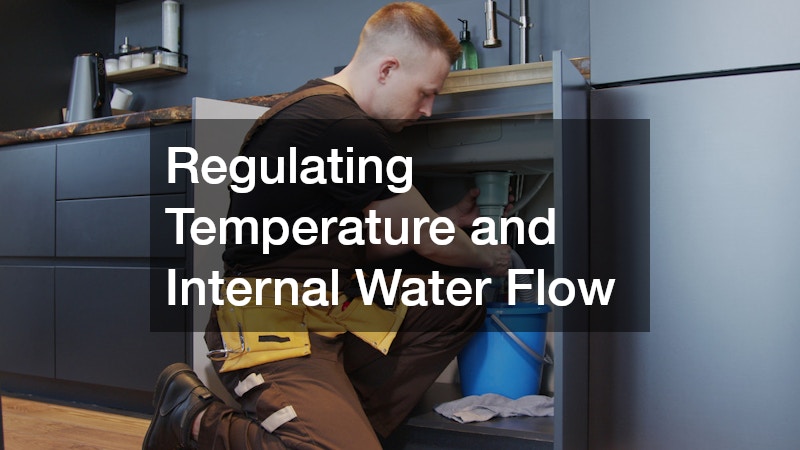
The internal comfort and sanitation of your living space rely entirely on your climate control and plumbing systems. These networks are largely invisible, hidden behind drywall and beneath floorboards, which means when they fail, the damage is often extensive and highly disruptive.
Your heating and cooling system breathes the air in your home, and just like a pair of lungs, it needs to be kept clean to function efficiently. The absolute most important task you can perform is changing your air filters every 30 to 90 days. When a filter becomes clogged with dust, pet hair, and dander, the blower motor has to work twice as hard to push air through the house. This increased strain causes components to overheat, drives up your electricity bill, and dramatically shortens the lifespan of the entire unit. Furthermore, you must maintain the condensate drain line—the small PVC pipe that carries condensation from your indoor coil to the outside. Pouring a quarter cup of white vinegar down this line every few months kills algae and prevents clogs. A clogged drain line will back up, causing water to pour through your ceiling or flood your utility closet. Spending $50 a year on good filters and a bottle of vinegar is the easiest way to avoid waking up in a sweltering house and having to shell out major cash for unexpected HVAC repairs in the middle of July.
Equally important is managing the water flowing through your home’s veins. Water is highly pressurized, and your pipes are under constant stress.
-
Monitor your water pressure: Purchase a cheap water pressure gauge that screws onto an exterior hose bib. Your home’s water pressure should rest between 40 and 60 PSI. If it is creeping up toward 80 PSI or higher, your pressure reducing valve is failing. High pressure destroys the seals on your faucets, toilets, and appliances.
-
Insulate exposed lines: If you live in a climate that experiences freezing temperatures, purchase cheap foam pipe insulation for any exposed pipes in unheated basements, crawlspaces, or garages.
-
Watch the meter: Turn off all water inside the house and go look at your main water meter. If the small dial is spinning, you have a hidden leak.
Catching a failing valve, insulating a vulnerable pipe, or noticing a running toilet early on is vital. Water damage is the number one cause of home insurance claims, and proactive monitoring will save you from the immense headache and expense of tearing out walls to facilitate massive plumbing repairs.
Prolonging the Life of High-Usage Household Machinery
Every day, you rely on a suite of expensive machinery to cook your food, clean your clothes, and provide hot water for bathing. Because these machines are used so heavily, they degrade faster than almost anything else in the house. Budgeting effectively means doing everything in your power to squeeze every possible year out of their expected lifespans.
One of the most neglected appliances in the modern home is the tank that holds your hot water. Depending on where you live, the water entering your home carries dissolved minerals like calcium and magnesium. Over time, these minerals precipitate out of the heated water and settle at the bottom of the tank, forming a thick layer of sediment. This sediment acts as an insulator, forcing the burner or heating elements to work harder to heat the water, wasting energy and causing the metal tank to overheat and eventually crack.
To combat this, you should flush the tank once a year. Turn off the power or gas supply, attach a garden hose to the spigot at the bottom, and let it drain into a bucket until the water runs clear. You should also have a professional check the anode rod—a sacrificial piece of metal inside the tank designed to attract corrosive elements so they eat the rod instead of the tank’s steel lining. Replacing a $40 anode rod and flushing the sediment will prevent the tank from rusting from the inside out, effectively pushing off expensive water heater repairs for several additional years.
The rest of your daily appliances require similar attention to airflow, seals, and filters to maintain optimal performance.
-
The Refrigerator: Pull it away from the wall twice a year and use a vacuum attachment to clean the condenser coils. Dust-covered coils force the compressor to run constantly, leading to premature failure and spoiled food.
-
The Dryer: Cleaning the lint trap after every single load is mandatory, but you must also disconnect the main exhaust duct at the back of the machine annually. Use a long brush to push out the accumulated lint blocking the vent to the outside. This is not just an efficiency issue; it is a major fire hazard.
-
The Washing Machine: Inspect the rubber hoses connecting the machine to the wall. If they feel brittle or show signs of bulging, replace them immediately with steel-braided hoses. Also, wipe down the rubber gasket on front-loading machines to prevent mold.
Taking an afternoon every few months to clean filters, vacuum coils, and inspect seals ensures these machines run efficiently and lowers the likelihood of needing a frustrating appliance repair when your fridge suddenly stops freezing or your washer refuses to drain.
Maintaining Outdoor Amenities and Property Boundaries

While the interior systems are vital for comfort, the exterior features of your property heavily influence its curb appeal, security, and overall valuation. Outdoor structures are entirely at the mercy of the elements, battling soil moisture, insect damage, and extreme weather variations.
If your property has perimeter boundaries made of wood, you are engaged in a constant battle against rot and decay. Wood that maintains direct contact with the ground or sits in pooling water will eventually soften and fail.
-
Keep organic matter away: Ensure that soil, mulch, and wet leaves are cleared away from the base of the posts and the bottom pickets.
-
Annual cleaning and sealing: Use a power washer on a low setting to strip away dirt, mildew, and graying fibers from the wood. Once it is completely dry, apply a high-quality, UV-resistant stain or water-repellent sealant.
-
Hardware inspection: Walk the perimeter and look for rusty nails, loose screws, or sagging gates. Replace standard nails with galvanized or stainless-steel screws, which hold much better over time and resist rust.
By proactively treating the wood and ensuring the structural integrity of the posts and rails, you prevent the entire line from blowing over in a strong windstorm, which helps you avoid allocating a massive portion of your budget to a total fence repair.
For homeowners in warmer climates, outdoor living spaces are often enclosed to keep out insects, debris, and harsh sunlight. These enclosures utilize lightweight aluminum framing and tightly woven fiberglass or polyester mesh. While durable, the sun’s ultraviolet rays slowly bake the mesh, making it brittle. A heavy storm or an errant tree branch can easily puncture this weakened material.
When you spot a small tear, it is imperative to act quickly. Tension is spread tightly across the entire panel, and a tiny one-inch hole can unzip across the entire frame in a matter of days. You can purchase cheap adhesive mesh patches to seal small holes immediately. Additionally, check the rubber spline—the cord that holds the mesh into the aluminum track. If the spline is popping out, use a rolling tool to push it back in before the wind catches the loose screen. Addressing these minor vulnerabilities immediately keeps the tension even and helps owners avoid the high cost of paying a contractor for complete, multi-panel pool screen repairs.
Preparing Contingency Equipment for Rural or Storm-Prone Areas
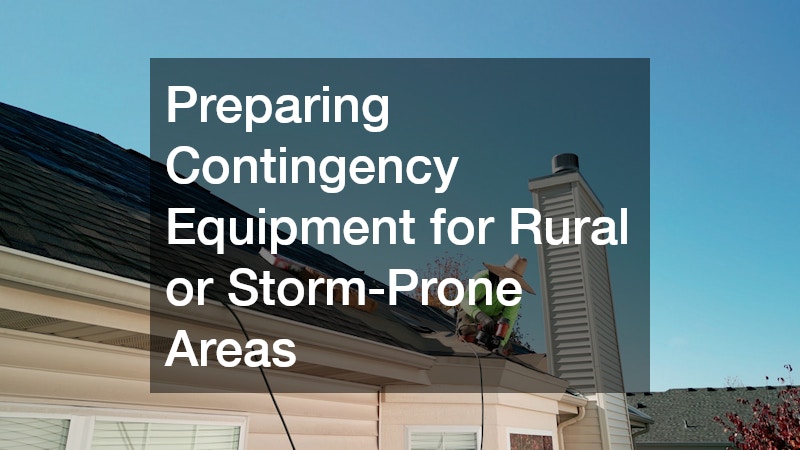
Homeowners living in rural environments or regions frequently battered by severe weather (such as hurricanes, blizzards, or tornados) face a unique set of challenges. When municipal grids fail, these homes must become entirely self-sustaining islands. If you rely on contingency equipment, neglecting that equipment until the exact moment of an emergency is a recipe for disaster.
Backup power systems are perhaps the most notorious for failing precisely when needed. Gasoline goes stale relatively quickly. If you leave untreated fuel sitting in the carburetor of a portable power unit for six months, it turns into a thick, sticky varnish that completely clogs the fuel jets.
-
Exercise the engine: Once a month, roll the unit out into a well-ventilated area, start it up, and let it run for 20 minutes.
-
Apply a load: Do not just let it idle. Plug in a heavy electrical load, like a space heater or a high-wattage work light, to ensure the alternator is producing electricity properly.
-
Fuel management: Always use a high-quality fuel stabilizer in your gas cans, and when putting the unit away for the season, shut off the fuel valve and let the engine run until it completely stalls out, ensuring the carburetor is dry.
Routine testing, proper oil changes, and disciplined fuel management ensure the engine fires up on the first pull, guaranteeing you aren’t frantically trying to find a mechanic for a generator repair right as a Category 4 hurricane makes landfall.
Similarly, rural properties usually lack access to municipal water supplies, relying instead on deep subterranean aquifers. The system that pulls water into the house operates on pressure. When you turn on a faucet, the pressure in the holding tank drops, signaling a pressure switch to turn on the submersible motor deep underground.
The pressure tank contains an air bladder that must maintain a specific PSI to function correctly. If that bladder ruptures, or if the system loses its air charge, the tank becomes waterlogged. When this happens, the motor will turn on and off rapidly every single time you use water—a condition known as short-cycling. Short-cycling is incredibly destructive to the motor. You should routinely listen to the clicking of the pressure switch in your utility room and check the air valve on the top of the tank with a standard tire pressure gauge. Recognizing a waterlogged tank or a failing switch early on protects the submerged motor from burning out, staving off a highly disruptive, labor-intensive, and incredibly costly well pump repair.
Actionable Budgeting Strategies for the Upcoming Year
Understanding the physical maintenance of your home is only half the battle; the other half is having the capital readily available to execute those fixes. A budget is simply a mathematical reflection of your priorities. If you do not plan for your home to degrade, you are planning to go into debt when it inevitably does.
To build a realistic budget, you must first establish a baseline target. Financial experts generally recommend two primary rules of thumb for calculating your annual maintenance fund:
-
The 1% Rule: This rule suggests setting aside 1% of your home’s total purchase price (or current market value) every year. For example, if you purchased a home for $400,000, you should expect to spend roughly $4,000 annually on upkeep. If your home is older, heavily customized, or located in an area with extreme weather, you may want to increase this to 2% or even 3%.
-
The $1-Per-Square-Foot Rule: This approach focuses on the physical size of the property. A 2,500-square-foot home would require a $2,500 annual budget.
These rules are guidelines, not laws. If you just purchased a brand-new construction home, your initial expenses will be lower. If you bought a historic fixer-upper, they will be substantially higher. The goal is to pick a target number and divide it by twelve to calculate your required monthly contribution.
Once you have your monthly number, the execution phase begins. You must separate this money from your daily checking account. If you leave maintenance funds mixed with your grocery or entertainment money, you will inevitably spend it.
-
Open a High-Yield Savings Account (HYSA): Look for an online bank offering competitive Annual Percentage Yields (APY). Because this money might sit for months or years before a major repair is needed, it should be earning interest to combat inflation.
-
Automate the Transfer: Set up an automatic transfer from your primary checking account to this dedicated HYSA the day after your paycheck clears. Treat this transfer exactly like a utility bill or a car payment—it is non-negotiable.
-
Embrace the Sinking Fund: This account is a “sinking fund.” Unlike an emergency fund, which is meant for unpredictable life events like job loss or medical emergencies, a sinking fund is money set aside for a known, inevitable expense. The roof will eventually need replacing. The air conditioner will eventually die. You are simply funding the depreciation of your assets in real-time.
When an appliance breaks or a pipe leaks, you will no longer have to pull out a high-interest credit card. You simply transfer the cash from your HYSA, pay the contractor, and continue on with your life. The psychological peace of mind that comes from this level of financial preparation cannot be overstated.
Conclusion
Owning a property is a marathon, not a sprint. The sheer volume of systems, appliances, and materials that require oversight can feel overwhelming, especially in the first few years. However, the anxiety associated with homeownership rarely stems from the actual maintenance itself; rather, it stems from the element of surprise and the financial shock that accompanies it.
By shifting your mindset away from the idea that breakdowns are unlucky, unpredictable events, and accepting them as standard, mathematical realities of property ownership, you take back control. The time to inspect your weatherproofing is before the storm clouds gather. The time to test your internal valves and machinery is before the temperature drops. And most importantly, the time to fund your savings account is before the invoice is handed to you.
You will never be able to prevent every single malfunction in your home. Friction, water, and time are undefeated. But by applying the actionable inspection techniques outlined above and adhering strictly to a dedicated sinking fund strategy, you ensure that when the inevitable finally happens, it is merely a minor weekend inconvenience rather than a devastating financial crisis. Take an hour this weekend to walk your property, tighten a few bolts, check your filters, and set up your automated bank transfer. Your future self will thank you.