



Moving a household is more than just a logistical shift; it is a significant life transition that reshapes the daily rhythm of every family member. While the prospect of a new home, a fresh neighborhood, and a different backyard is inherently exciting, the process of getting there is often cited as one of life’s most stressful events. For families, the complexity multiplies with every toy box, kitchen appliance, and sentimental heirloom. Preparation is the bridge between a chaotic transition and a seamless relocation. To ensure your family is ready for the big day, there are several critical factors to consider, from the early planning stages to the moment the last box is finally unloaded.
Creating a Detailed Plan Before Packing Begins
The secret to a stress-free move lies in the weeks—or even months—leading up to the event. A detailed plan acts as your roadmap, preventing the last-minute panic that often leads to broken items, lost documents, or forgotten utilities. Start by creating a master moving binder or a digital project board where you can track deadlines, checklists, and contact information. This central “command center” ensures that everyone in the family is on the same page regarding expectations and timelines.
During this initial phase, it is wise to research and vet local moving companies to understand their availability, service areas, and reputation within the community. Having a clear timeline allows you to declutter your home effectively. Before you put a single item in a box, go through every room and decide what stays and what goes. Moving is the perfect opportunity to purge items that no longer serve your family, which ultimately reduces the volume of goods and can significantly lower your total costs. By establishing a firm plan early, you provide your family with a sense of order amidst the coming change, ensuring that you aren’t just moving clutter from one basement to another.
Organizing Important Documents and Essentials Early
In the whirlwind of moving day, the items you need most are often the first to get buried at the back of a massive truck. To avoid the frustration of digging through a sea of cardboard, dedicate a specific “Essentials Box” or suitcase for every family member. This should include several changes of clothes, toiletries, basic tools for furniture assembly, and daily medications. Think of it as a survival kit for the first forty-eight hours in your new home when you might be too exhausted to unpack the entire kitchen.
Beyond physical goods, your paperwork requires strict organization and security. You will likely need quick access to birth certificates, school enrollment records, medical files, and your signed contract with a local moving service. Keeping these in a secure, portable file folder that stays with you in your personal vehicle ensures that sensitive information is never lost in transit or accidentally seen by unauthorized parties. This level of organization prevents the common moving day headache of hunting through dozens of taped-up boxes just to find a phone charger, a passport, or a social security card on your first night in the new house.
Comparing Professional Services Before Making a Decision

Not all help is created equal, and choosing the right partner for your relocation is a decision that requires serious due diligence. It is tempting to go with the first name that pops up in a search or the cheapest quote you receive, but taking the time to compare services can save you thousands of dollars and significant heartache in the long run. Professionalism varies wildly in the industry, and your family deserves a team that treats your belongings with respect.
When you begin looking for a moving company, look for transparency in their communication and a history of verified, positive customer feedback. Ask for written estimates that break down labor, transportation, and equipment costs. Inquire about their insurance policies and what their specific claim process looks like in the event of an accident. Some families require a full-service experience including professional packing, crating, and unpacking, while others may only need labor for heavy lifting. By comparing quotes and service tiers between local moving companies, you can tailor the experience to fit your family’s specific budget and needs, ensuring that you aren’t paying for “extras” that don’t add real value to your move.
Preparing for the Challenges of Apartment Relocation
Moving out of or into an apartment presents a unique set of hurdles that single-family homes rarely face. Tight hallways, shared elevators, and strictly enforced limited parking zones can turn a simple move into a logistical nightmare if not handled with precision. There is also the matter of security deposits; one wrong turn with a heavy dresser can lead to scuffed walls and lost money.
If you are navigating high-rise living or a dense complex, hiring a specialized apartment mover service can be a game-changer. These professionals are accustomed to navigating narrow stairwells and understanding building-specific rules, such as “move-in windows” or requirements for floor and door-frame protection. You should also check with your building management about reserving the freight elevator and obtaining any necessary parking permits for the truck. Addressing these “small” details weeks ahead of time prevents day-of delays that could result in building fines or extra hourly charges from your crew. A proactive approach ensures that your move doesn’t disturb your new neighbors before you’ve even had a chance to meet them.
Scheduling Transportation and Packing Timelines Carefully
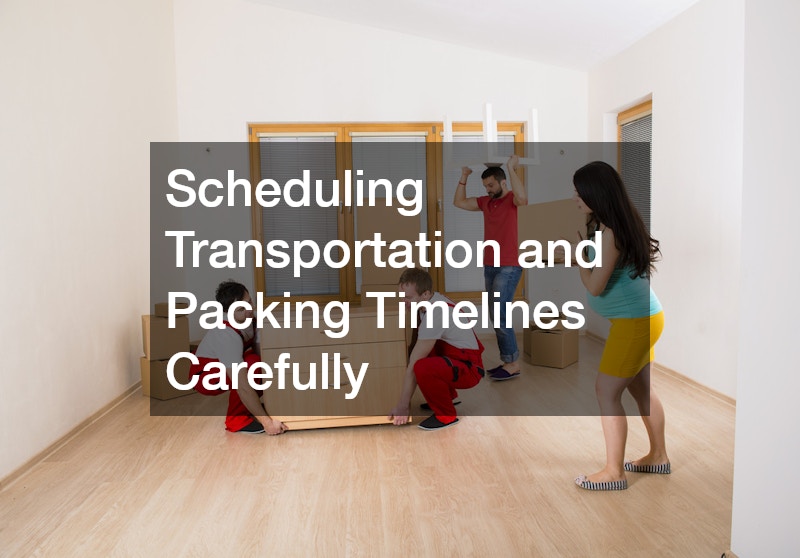
Timing is everything in the world of relocation. A common mistake families make is underestimating how long it takes to actually pack a multi-bedroom home. It always takes longer than you think. A general rule of thumb is to start packing non-essential items—like seasonal decor, books, and formal dishware—at least six weeks before the move date. This “slow and steady” approach prevents the burnout that comes from trying to pack an entire house in a single weekend.
As the date approaches, you must finalize your moving service schedule. If you are moving during “peak season” (typically the summer months when kids are out of school), residential movers book up months in advance. Secure your date early and confirm the arrival window 48 hours before the move. Furthermore, consider the rhythm of your family’s life; if you have young children or pets, you might want to schedule the bulk of the packing during school hours or a weekend when they are staying with relatives. A well-timed schedule ensures that you aren’t still taping boxes while the truck is idling in the driveway, which adds unnecessary stress and potential wait-time fees.
Communicating Clearly With Your Moving Team
On the day of the move, your relationship with the crew will dictate the energy and efficiency of the day. Clear, polite communication is the best way to prevent mishaps and ensure your instructions are followed. When the local moving company arrives, provide them with a brief but thorough tour of the house. Point out high-priority items, boxes containing fragile electronics, and anything that should not be loaded onto the truck (like your “Essentials Box” or expensive jewelry).
Labeling is your primary communication tool when things get busy. Instead of just writing “Kitchen” on a box, use color-coded tape or detailed descriptions like “Kitchen – Coffee Maker and Toaster – Open First.” This helps the team place boxes in the correct rooms at the new destination, saving you the back-breaking trouble of moving heavy containers from the living room to the upstairs bedrooms later. Remember, the movers are experts at logistics and physical labor, but they aren’t mind readers; the more specific information you provide, the faster and more safely they can work. Offering water or snacks to the crew is also a great way to build rapport and ensure they stay energized throughout the day.
Protecting Furniture and Fragile Belongings During Transit

The most stressful part of any move is the fear of damage. Heavy furniture, expensive electronics, and delicate family glassware are all at risk when a truck is bouncing down a highway or navigating sharp turns. To mitigate this risk, you should ensure that your movers use professional-grade protective materials rather than just relying on old towels or thin bedsheets.
Standard moving blankets, high-quality shrink wrap, and cardboard corner protectors are essential for preventing scratches on wooden surfaces and tears in delicate upholstery. For particularly valuable or awkward items, such as large mirrors, artwork, or pianos, you may need custom crating or specialized dollies. While it might seem like an added expense, the cost of professional packing materials and expert handling is a small fraction of the cost of replacing a dining room set or a high-end television. Taking these precautions provides immense peace of mind, knowing that your belongings are shielded against the inevitable vibrations, shifts, and bumps of the journey.
Understanding Costs and Services Before Signing Agreements
One of the biggest sources of “moving day stress” is a surprise bill that doesn’t match the original quote. To avoid this, you must have a comprehensive, line-by-line understanding of the financial agreement before any work begins. Different moving companies have different pricing structures; some charge strictly by the hour, while others charge by the total weight of the shipment or provide a flat fee based on an in-person or virtual home survey.
Read the “Fine Print” regarding fuel surcharges, stair fees (if you have multiple flights), and long-carry fees (the distance from the truck’s parking spot to your front door). If a quote seems suspiciously low, it might be a “non-binding” estimate, meaning the price could skyrocket based on the actual weight or time taken on the day. Always insist on a written contract that outlines every potential charge, including “valuation coverage.” Valuation is different from standard insurance—it determines how much the company is liable for if an item is lost or damaged. Understanding these financial nuances protects your family from predatory pricing and ensures your budget remains intact.
Preparing Vehicles and Equipment for the Move
If you are handling part of the move yourself, such as transporting a small trailer of personal items or antique furniture, your personal vehicle needs to be mechanically up to the task. Many families realize far too late that their car or SUV isn’t properly equipped for the weight they intend to pull, leading to dangerous situations on the road.
Before the move, check your vehicle’s towing capacity in the owner’s manual and ensure that your truck hitch is properly installed, secure, and rated for the specific load you are carrying. Beyond the hitch, check your tire pressure, brake pads, and cooling system, as hauling heavy weight puts significant extra strain on the engine and transmission. If you are using a rental trailer, always do a “light check” with a partner to ensure the turn signals and brake lights are perfectly synchronized with your vehicle. Mechanical failures in the middle of a move can derail your entire timeline, leave you stranded on a highway, and add massive repair bills to an already expensive process.
Considering Storage Options for Large or Extra Items
Sometimes, the timelines for leaving your old home and entering your new one don’t perfectly align. Perhaps there was a delay in the closing of your new house, or you are downsizing and haven’t yet decided which pieces of furniture will fit in the new layout. In these scenarios, storage becomes a critical necessity rather than a secondary thought.
You might look into a shipping container sale if you have the space on your new property for long-term on-site storage, allowing you to unpack at your own pace over several months. Alternatively, many professional moving services offer “storage-in-transit” options where your goods are kept in a climate-controlled, secure warehouse for a few days or weeks until your new home is ready. Evaluating these options early allows you to move out on schedule without the frantic pressure of having to cram everything into a garage or a temporary apartment. Having a solid backup plan for your “extra” items ensures that your new home feels organized, clean, and spacious from the moment you first turn the key in the lock.
A successful family move is built on a foundation of early preparation, meticulous organization, and professional partnership. By taking the time to vet service providers, protect your physical assets, and manage your timeline with care, you transform a potentially chaotic event into a manageable and even rewarding task. Moving day will always be a whirlwind of activity, but with a clear plan and the right equipment in place, you can shift your focus from the stress of logistics to what truly matters: starting a brand-new chapter of memories with your family. Don’t leave the details of your relocation to chance; take control of the process today, and your future self will thank you as you relax in your new home.