



Moving into a new home is always an intense, demanding project, but executing a residential move right in the middle of the active school year introduces a completely different layer of structural complexity. Parents suddenly find themselves juggling mortgage paperwork, lease signatures, and endless rolls of packing tape alongside daily homework supervision, science fair projects, late-night studying, and after-school extracurricular drop-offs. When children are actively attending classes every single day, you simply cannot pack up their bedrooms weeks in advance or count on flexible, unstructured summer days to load transport trucks at your leisure.
To ensure your family survives an autumn or mid-term relocation with sanity and grades intact, you must adopt a structured, highly strategic operational plan. Managing complex home logistics alongside formal education requires deliberate scheduling, early administrative coordination, and smart outsourcing to professional services. By approaching this mid-term transition as a carefully managed family project rather than a chaotic scramble, you can protect your children’s educational routine, minimize emotional stress, maintain household stability, and streamline every single physical aspect of your move from initial pack-up to final setup.

Request Academic Records and Notify Administration Weeks in Advance
The moment your move dates are officially confirmed, your primary non-negotiable priority must be establishing formal contact with both your children’s current school administration and the incoming administration at their future school. School districts often require a formal withdrawal notice several weeks prior to a student’s final day to process cumulative folders, athletic eligibility forms, attendance logs, and standardized test scores. Scheduling an early sit-down meeting with guidance counselors helps ensure that official transcripts, IEP documentation, special accommodation plans, and immunization records transfer smoothly without administrative delays or lost paperwork.
When transitioning into a new living situation involving apartment moving within the same district or across town, verify all local proof-of-residency documentation requirements as early as possible, as binding leasing agreements often serve as primary proof for school registration. Hiring a licensed, professional moving company during this administrative phase frees up critical weekday hours so you can visit administrative offices, secure required government documents, and establish direct communication channels with your children’s future teachers well before the chaos of loading day arrives.
Taking care of these administrative tasks early prevents sudden surprises on your child’s first day at their new school. It also gives guidance counselors time to prepare teachers for an incoming student, ensuring that textbooks, desk space, and online portal accounts are ready the moment your child steps through the classroom door.
Align Your Logistics Timeline With School Breaks and Weekends
Attempting to pack, load, and transport an entire household on a regular school night almost always leads to missed homework assignments, exhausted children, and overwhelming parental burnout. Whenever possible, align your primary heavy moving days with long holiday weekends, teacher in-service days, or scheduled mid-term breaks to provide built-in buffer time for the physical transition. Scheduling heavy transport tasks when classes are not actively in session allows children to participate in packing their own personal belongings without missing critical classroom lectures, lab sessions, or major scheduled exams.
-
Audit the Academic Calendar: Map out upcoming teacher workdays, bank holidays, and scheduled school breaks to identify ideal multi-day moving windows that minimize school absences.
-
Coordinate Standardized Test Dates: Avoid planning physical moves during state assessment weeks, Advanced Placement exams, or major mid-term exam periods when student stress levels are naturally running high.
-
Establish a Buffer Weekend: Reserve at least two full weekend days before loading day strictly for packing essential school supplies, daily uniforms, study resources, and essential clothing.
-
Plan Evening Homework Blocks: Maintain a dedicated, noise-free space equipped with high-speed internet access so kids can finish daily assignments amid the surrounding moving box chaos.
Establishing this structural timeline protects your child’s ongoing academic performance from being derailed by physical relocation logistics. Having a clear schedule mapped out weeks or months in advance provides immense psychological reassurance to students who may feel anxious about changing environments and routines. Once your master timeline is firmly established, you can focus on sorting through household clutter without interfering with daily school study schedules.
Carefully managing these overlapping schedules reduces the friction that occurs when life events collide with mandatory school routines. When kids know that their study time is protected and respected, their anxiety levels drop significantly, allowing them to focus on their studies despite the surrounding boxes.
Declutter Living Spaces Before Packing Educational Materials
Before wrapping a single fragile item or taping up cardboard boxes, conduct a thorough audit of your entire household to eliminate unnecessary items that have accumulated over the years. Over the course of several school terms, homes naturally accumulate vast amounts of outgrown clothing, old textbooks, obsolete sports gear, duplicate art supplies, and broken bedroom furniture. Purging these unneeded possessions significantly reduces total shipment weight, cuts packing time in half, and prevents you from paying transport costs on items your family no longer uses.
To clear out heavy garage overflow, damaged furniture, or old backyard play structures before moving day, hiring a dedicated junk removal service saves hours of intense physical labor and multiple trips to disposal sites. For massive home clear-outs across several rooms or during major pre-move cleanups, booking temporary roll off dumpsters provides a convenient, high-capacity container right in your driveway to toss unwanted waste quickly and efficiently. Clearing out excess household volume with dumpster rentals gives your family breathing room to organize essential school supplies and daily study materials properly.
Streamlining your physical possessions makes the physical act of packing dramatically easier for everyone involved. Kids especially benefit from sorting through their own belongings, deciding what to donate, and keeping only the books and toys that matter most to them in their new space.

Reserve Professional Transport Services Well Before Peak Seasons
Securing high-quality transportation and professional labor requires early planning, especially during peak moving windows surrounding school terms and holiday breaks. High-demand weekend slots fill up quickly, leaving procrastinating families with limited choices, subpar service providers, or significantly higher rate quotes. Researching thoroughly vetted moving companies months ahead of time allows you to secure competitive binding estimates, review service terms, and lock in moving dates that perfectly match your family’s school schedule.
When evaluating potential service providers, compare comprehensive estimates from the best local movers in your area to determine who offers flexible scheduling policies in case school events or weather delays change your timeline unexpectedly. Reading verified customer reviews, checking licensing, and confirming full liability insurance coverage ensures that your family’s property will be handled carefully. Securing reliable, professional movers early reduces physical exertion, allowing parents to focus on guiding their children through the emotional and academic transition.
Partnering with dependable professionals takes the heavy physical burden off your shoulders during an already demanding period. Instead of spending your entire weekend hauling heavy furniture and driving rental trucks, you can remain present for your children during a sensitive transitional time.
Create a Dedicated Workspace to Protect Daily Homework Routines
Maintaining a sense of structural routine is crucial for helping children adjust smoothly to a major life change during the active school term. As household furniture is disassembled and packed away room by room, create a designated, immovable study zone equipped with good lighting, power outlets, school supplies, and minimal distractions. Keeping this space completely free from moving boxes signals to your children that their daily education remains a top household priority despite the temporary environmental disorder.
-
Pack a ‘First-Day’ School Crate: Keep backpacks, textbooks, laptops, chargers, binders, and required school uniforms in a clearly labeled transparent bin that travels in your personal vehicle.
-
Maintain Stable Wi-Fi Connectivity: Coordinate with your internet service provider weeks in advance to guarantee a high-speed connection at the new home before move-in day arrives.
-
Set Up Portable Study Desks: Use lightweight folding tables or portable desks as temporary homework stations while permanent bedroom desks are wrapped and transported.
-
Preserve Evening Routine Rules: Keep set bedtimes, meal schedules, screen-time limits, and designated homework hours consistent throughout the entire moving week.
Protecting your child’s home study environment prevents academic decline and missed assignments during a naturally chaotic period. Children perform best and feel most secure when they know exactly where to find their pencils, assignments, and study resources without digging through unlabeled boxes. Keeping this academic routine intact simplifies the emotional transition of moving to a brand new home and neighborhood.
A quiet, organized study corner serves as an anchor of stability when the rest of the house is being packed into boxes. It provides a familiar rhythm at the end of every day, reminding children that despite the physical changes around them, their daily priorities remain clear and supported.
Utilize Temporary On-Site Containers for Flexible Room-by-Room Packing
Packing up an entire house while maintaining a fully functioning daily household demands extreme flexibility and smart spatial management. Stacking dozens of cardboard boxes in hallways, living rooms, or bedrooms creates physical hazards and constant psychological stress for young students trying to focus on their daily schoolwork. Utilizing a portable moving container delivered directly to your driveway allows you to load non-essential items gradually over several weeks without cluttering main living areas.
This flexible storage method enables parents to pack seasonal clothing, extra bedding, sports gear, and spare household goods room-by-room after work and school hours. Having an on-site container parked outside keeps interior hallways clear, reduces safety risks, and maintains a clean, livable interior environment for your kids throughout the packing phase. Once fully loaded, the secure unit can be driven straight to your new home or held temporarily at a facility until your official move-in date arrives.
Using portable containers allows you to break down a daunting home packing project into manageable, micro-tasks that fit around your family’s schedule. You can pack three boxes after dinner without turning your living room into an impassable maze of cardboard.

Establish Off-Site Storage Strategies for Staggered Transitions
In many real estate transactions, moving timelines do not align perfectly with school term schedules or closing dates. You may need to vacate your original residence before your new property is fully ready, or you may be completing necessary home renovations before moving the family in permanently. Utilizing local storage units provides a secure intermediate space to hold non-essential furniture, seasonal decor, extra appliances, and athletic gear while your family stays in temporary housing.
Securing a clean, climate-controlled storage unit located near your child’s new school guarantees easy access to seasonal items, extra clothing, and study materials as needed. Staging your belongings off-site keeps temporary living spaces organized, peaceful, and manageable during busy school weeks. Staggering your move this way reduces day-of physical stress, giving parents the mental space to support their children through their first crucial weeks at a new school.
Having access to flexible off-site storage prevents you from feeling rushed during temporary housing situations. It allows you to move items into your new home systematically as rooms are prepared, rather than rushing to unpack everything in a single chaotic weekend.
Prepare for Big Cleanouts and Heavy Renovation Waste Efficiently
Transitioning between homes during the school year often requires quick property renovations, fresh interior painting, floor refinishing, or intensive post-move cleanups. Managing construction debris, old carpet, outdated fixtures, and discarded landscaping waste while keeping up with morning school drop-offs can quickly become overwhelming. Streamlining waste management with a local dumpster rental ensures you have an efficient, centralized way to clear out renovation mess without taking multiple time-consuming trips to local landfills.
Disposing of unwanted debris and sharp construction materials quickly keeps your property safe for active children playing in the yard after school hours. Having a dedicated container on site makes large-scale cleanup projects fast, organized, and manageable during brief weekend work windows. Clearing away renovation waste early sets a clean, safe foundation for your family to settle in comfortably and safely.
An organized workspace speeds up renovation projects significantly, allowing contractors or DIY family members to finish work ahead of schedule. The sooner renovations are completed, the sooner your children can settle into their permanent bedrooms and study spaces.
Coordinate Extracurricular Activities and Transportation Logistics
A successful mid-term relocation involves much more than just changing physical addresses; it requires managing your children’s active social, athletic, and academic calendars. Kids often participate in after-school sports leagues, music lessons, tutoring sessions, and community clubs that require careful transport planning during a move. Mapping out new commute routes between your new address, your child’s school, and their after-school activity hubs prevents unexpected schedule delays and transportation headaches.
-
Update Activity Director Contact Info: Inform coaches, tutors, music teachers, and club leaders about your updated address and emergency contact phone numbers.
-
Arrange Temporary Carpools: Coordinate with trusted neighboring parents or classmates to help with after-school drop-offs and pickups during high-intensity moving days.
-
Keep Equipment Accessible: Pack sports gear, musical instruments, dance shoes, and club uniforms in clearly marked bags kept inside your primary family vehicle.
-
Review Bus Transportation Routes: Submit new address information to the school district transportation office early to confirm updated bus stop locations and pick-up times.
Keeping children actively involved in their favorite extracurricular activities provides essential stability and continuity during a major household transition. Maintaining their sports practices or music lessons gives them familiar routines, physical outlets, and social connections while their home environment is changing. Managing these activity logistics ahead of time prevents schedule conflicts and parental burnout.
When children maintain their extracurricular participation, the move feels like a minor transition rather than a complete disruption of their social lives. Staying connected to teammates and friends helps cushion the impact of changing homes during the school year.
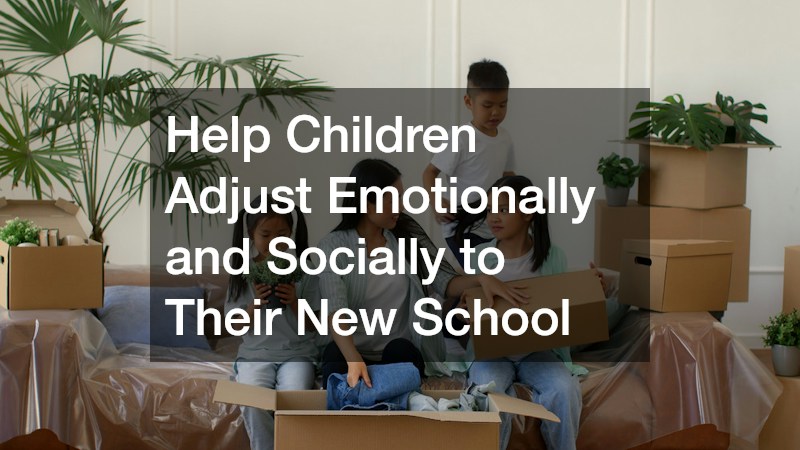
Help Children Adjust Emotionally and Socially to Their New School
The physical move is officially complete once the last box is unloaded from the truck, but the social and emotional transition for your children is just beginning. Changing schools mid-year can feel intimidating, as social groups, classroom dynamics, and academic expectations are already well established by teachers and students. Parents should take proactive, compassionate steps to help kids feel comfortable, confident, and supported in their new educational environment.
Arrange an in-person campus tour with school administrators before your child’s official first day so they can locate their classrooms, cafeteria, gym, lockers, and administrative offices. Encourage them to join school clubs, sports teams, or interest groups where they can meet peers with shared hobbies and interests. Maintaining open family conversations, celebrating small daily successes, validating their feelings, and giving children time to adjust will help them thrive socially and academically in their new home.
Supporting your child emotionally during this transition builds resilience and confidence that will serve them well throughout their lives. With patient guidance and a stable home environment, what began as a stressful mid-year move can become an exciting, positive new chapter for the entire family.
Relocating your household during the active school year is undoubtedly a complex, multi-faceted endeavor that requires careful planning, patience, clear communication, and tight organization. By prioritizing early contact with school administrators, keeping daily study routines stable, utilizing flexible storage solutions, and securing reliable professional moving services, you can protect your children’s academic experience while keeping overall family stress to an absolute minimum.
Focusing on open family communication, well-structured logistics timelines, and methodical packing strategies turns a potentially chaotic transition into an empowering family fresh start. With thoughtful preparation, smart outsourcing, and the right support systems in place, your family can settle smoothly into your new home and neighborhood without missing a single beat in the classroom or in daily life.