

It rarely feels like a coincidence when the water heater dies the same month the roof starts leaking and the air conditioner quits in a heatwave. Homeowners often assume they have terrible luck, but in most cases these failures are connected by age, weather, or a single root cause working through the house at once. Understanding how your home’s systems interact can help you spot warning signs earlier and avoid getting hit with multiple repair bills at the same time. This article breaks down the most common reasons systems fail together and what you can do about it.
Aging Homes Reach Multiple Breaking Points Together
Most homes are built with materials and equipment that have a predictable lifespan, and builders often install many of these systems within the same year or two of construction. That means roofing, water heaters, HVAC equipment, and plumbing fixtures often reach the end of their usable life around the same time, sometimes within a single season of each other. A twenty-year-old roof paired with a twenty-year-old furnace is not a coincidence, it is simple math catching up with the calendar.
The averages back this up. Asphalt shingle roofs typically last 20 to 25 years, water heaters last 8 to 12 years, HVAC systems last 15 to 20 years, and copper or galvanized plumbing can start failing after 40 to 50 years, though galvanized pipe often shows serious trouble much sooner. If a home was built and never had major system replacements staggered in along the way, these timelines converge instead of spreading out.
Homeowners also tend to replace systems reactively rather than proactively, which compounds the clustering effect. A water heater that was replaced at year 10 because it failed, rather than being proactively swapped at year 8, resets its own clock but leaves the roof, furnace, and plumbing exactly where they started. Over a decade or two, this creates clusters of aging components that all cross their failure threshold within a short window of each other.
Subdivisions and tract housing make this even more predictable, since entire blocks of homes were often built by the same crew, with the same materials, in the same construction season. It is common to see a whole neighborhood experience a wave of roof replacements or water heater failures within a year or two of each other, simply because the homes share a birthday.
This clustering effect is especially common in homes that have not had major renovations since they were built. Builders often install a home’s major systems within the same year or two, which means the water heater, HVAC unit, roof, and even electrical panel age together on nearly identical timelines. Water heaters typically last 8 to 12 years, HVAC systems 15 to 20 years, and roofing 20 to 25 years, so a home in that fifteen to twenty-five year window is often approaching several of these thresholds at once.
If you bought a home that fits this age range, it is worth having a professional walk through and flag which systems are approaching the end of their expected service life. A licensed inspector or contractor can check manufacture dates on equipment, review maintenance records, and estimate remaining lifespan based on wear rather than age alone. This is especially useful for previous owners’ upgrades, since a replaced water heater or newer furnace can shift the timeline for that one system out of sync with the rest.
Catching this pattern early lets you budget and schedule replacements instead of reacting to emergencies. Spreading out planned replacements over a few years, rather than waiting for simultaneous failures, can also make it easier to negotiate pricing and financing with contractors instead of paying rush fees for emergency service.
Severe Weather Events Stress Every System At Once
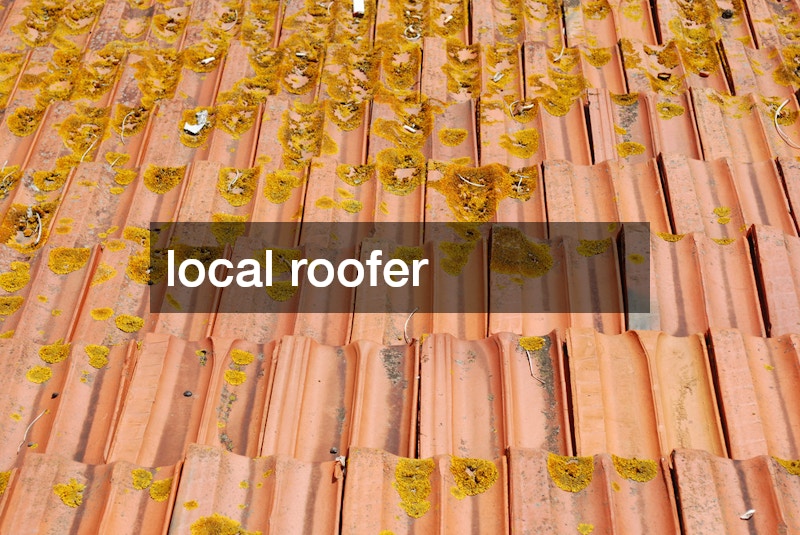
A single storm can hammer several parts of your house simultaneously because wind, water, and temperature swings do not target one system politely. Heavy rain can overwhelm gutters, saturate soil around your foundation, and force moisture into attic spaces all in the same afternoon. Hail and high winds can damage shingles while also knocking debris into vents, siding, and windows.
After a major weather event, it is smart to have a local roofer inspect for granule loss, cracked flashing, or lifted shingles before small damage becomes a full leak. At the same time, check your gutters and downspouts, since clogged or bent gutters after a storm often lead to water pooling right where your foundation is most vulnerable. Addressing both issues quickly prevents one weather event from turning into two or three expensive repairs.
Water Intrusion Triggers a Chain Reaction of Damage
Water is one of the most common threads connecting seemingly unrelated failures throughout a home. A slow roof leak can travel along framing and show up as a ceiling stain in a completely different room, or seep down into insulation and electrical junctions. Once moisture gets into wood framing, it can warp doors, swell cabinetry, and eventually invite mold that spreads through HVAC ductwork.
Because water moves along the path of least resistance, the source of a leak is often far from where the damage appears. This is why a musty smell in a basement might actually trace back to a gutter problem on the roof two stories up. Getting ahead of this requires paying attention to small signs early, rather than waiting for a stain to spread across the ceiling.
- Peeling paint or bubbling drywall near ceilings and corners
- A persistent musty odor in basements or crawl spaces
- Warped or soft flooring near exterior walls
- Rust or staining around vents and light fixtures
- Unexplained spikes in humidity readings inside the home
Foundation Movement Puts Pressure on the Whole Structure
When soil beneath a home expands, contracts, or erodes, the foundation shifts, and that movement radiates outward into everything attached to it. Doors that suddenly stick, cracks that appear near window frames, and gaps forming along baseboards are often early signs that the foundation is settling unevenly. Because plumbing lines, ductwork, and framing all connect back to the foundation, a shift in one corner of the house can cause stress fractures and misalignment in systems far from that original crack.
Foundation issues rarely stay isolated for long, which is why professionals who handle foundation repairs often ask about other symptoms happening elsewhere in the home. A sticking door on the second floor might be directly related to soil movement at the base of the house. If you notice multiple small structural quirks appearing within a short window of time, it is worth having the foundation evaluated before those issues multiply.
Aging Plumbing and Fixtures Fail in Close Succession
Pipes, water heaters, and fixtures installed at the same time tend to wear out on a similar timeline, especially in homes with galvanized or early copper plumbing. Mineral buildup, corrosion, and gasket deterioration happen gradually, but they often cross a tipping point around the same number of years in service. This is why a homeowner might deal with a failing water heater, a leaking supply line, and a slow drain all within the same few months.
Countertop and cabinet damage frequently shows up as a side effect of plumbing failure rather than a problem on its own. A slow leak under a sink can silently swell particleboard or crack stone seams long before anyone notices standing water. In these situations, countertop services are often called in not because the counter itself failed first, but because water damage from a hidden pipe finally became visible on the surface.
Septic and Drainage Systems Compound Other Problems
A struggling septic system rarely announces itself clearly, and its symptoms can easily be mistaken for unrelated plumbing or landscaping issues. Slow drains throughout the house, soggy patches in the yard, and sewage odors near the drain field are all signs that the system is overdue for attention. Left unaddressed, a backed-up septic system can force wastewater back into the home, damaging flooring, subfloors, and even electrical systems near ground level.
Routine maintenance is the simplest way to avoid this cascade, and scheduling a septic tank cleaning service every three to five years keeps solids from building up to dangerous levels. Homes on well and septic systems tend to experience more simultaneous system failures simply because everything is more interconnected and less forgiving of neglect. Staying ahead of septic maintenance protects not just the yard, but the plumbing and flooring inside the house as well.
Heating and Cooling Equipment Strain During Extreme Seasons
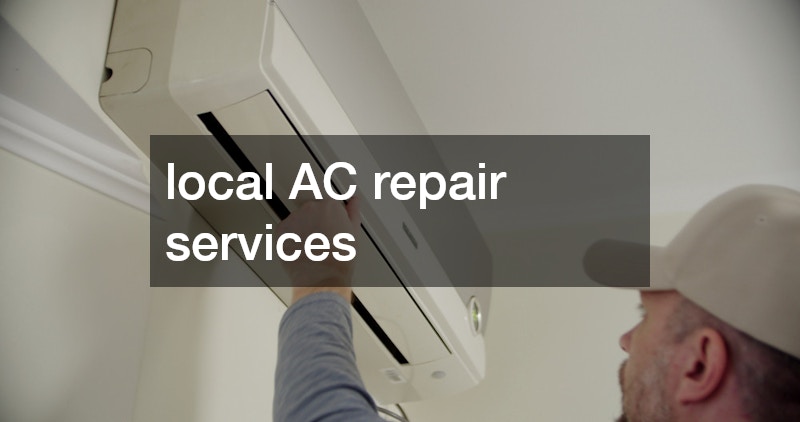
HVAC systems work hardest during the most extreme weeks of summer and winter, which is exactly when they are most likely to fail. A furnace that limped through a mild winter might finally give out during the first serious cold snap, and the same is true for air conditioners during a heat wave. Because these systems run longer and harder during extreme temperatures, existing wear and minor issues get pushed past their breaking point.
Regular HVAC services throughout the year, rather than only when something breaks, catch small problems like worn belts, low refrigerant, or clogged filters before they cause a full system shutdown. If your air conditioner does fail during a heat wave, local AC repair services tend to get flooded with calls at the exact same time, so scheduling seasonal checkups in spring and fall helps you avoid being stuck waiting during the worst possible week. A little preventive attention goes a long way toward keeping this system from failing alongside everything else.
Pest Damage Weakens Structures Without Obvious Warning Signs

Termites, carpenter ants, and rodents can quietly damage framing, insulation, and wiring for years before a homeowner notices anything wrong. Because this damage happens out of sight, it often gets discovered only when something else fails, such as a sagging floor joist found during a plumbing repair or exposed wiring found during an attic inspection. Pest damage frequently amplifies other issues, weakening the wood that framing, roofing, and flooring systems all depend on for support.
Working with pest control companies on a regular inspection schedule is one of the most overlooked forms of home maintenance, especially in older homes or homes surrounded by mature trees. Early detection of termites or wood-boring insects can prevent structural damage that would otherwise require significant framing repair. Since so many home systems rely on sound wood structure, protecting against pests indirectly protects your roof, floors, and walls as well.
Renovation and Repair Choices Affect Long Term Durability
The materials and contractors chosen during a renovation have a lasting effect on how well your home’s systems hold up over time. Cutting corners on framing material by skipping a reputable local lumber company in favor of lower grade wood can lead to warping, sagging, or moisture absorption years down the line. Similarly, choosing installers who do not follow proper flashing and sealing techniques around windows, skylights, or custom features can create hidden leak points that surface much later.
Specialty installations deserve particular attention, since mistakes are harder to spot until damage has already spread. A custom glass company that properly seals large windows, shower enclosures, or skylights helps prevent the kind of slow water intrusion that eventually damages framing and flooring nearby. Investing in quality materials and skilled installation during any renovation pays off by reducing the odds of compounding failures later.
Neglected Exterior Maintenance Sets Off a Domino Effect
The exterior of your home is its first line of defense, and neglecting it puts every interior system at greater risk. Gutters clogged with leaves and debris cannot direct water away from the foundation properly, which increases the odds of basement moisture, foundation settling, and even pest infestations drawn to standing water. Left unaddressed for multiple seasons, this kind of neglect tends to produce several problems at once rather than just one.
Scheduling local gutter installation or a thorough cleaning before the rainy season arrives is one of the most cost effective ways to protect your foundation, siding, and landscaping simultaneously. Well maintained gutters direct water at least three to four feet away from the foundation, reducing hydrostatic pressure that can lead to cracks and leaks. Because gutters influence so many other systems, keeping them in good repair is a small task with an outsized impact on preventing simultaneous failures.
Simultaneous system failures usually trace back to age, water, weather, or neglect rather than bad luck, and recognizing these patterns puts you back in control. The best defense is a proactive maintenance routine that checks your roof, foundation, plumbing, HVAC, and exterior systems on a regular schedule rather than waiting for something to break. Start by walking through your home and noting any small warning signs you may have been ignoring, then bring in qualified professionals to address them before they multiply. Staying ahead of these issues protects both your budget and your peace of mind for years to come.