
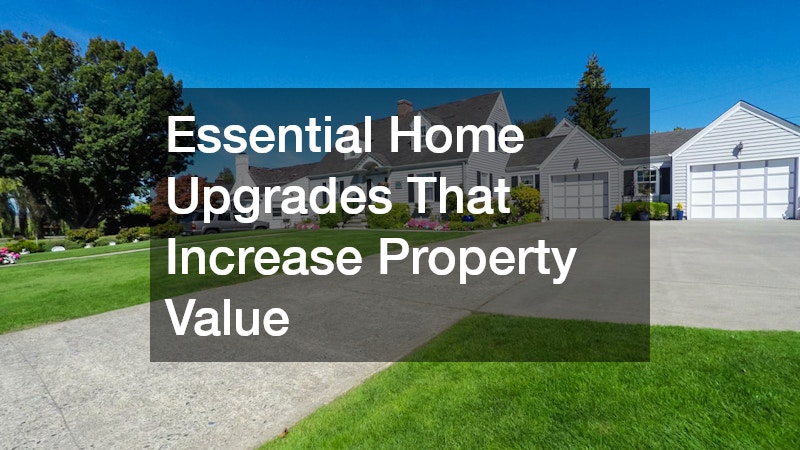

Whether you plan to sell your home in the near future or stay for many years, investing in meaningful upgrades can make a noticeable difference in both comfort and property value. While trendy finishes may catch a buyer’s eye, long-term improvements that enhance efficiency, functionality, and durability often provide the greatest return on investment. The most valuable projects address how a home performs as much as how it looks.
The key is prioritizing improvements that solve existing problems, reduce future maintenance, and create a more enjoyable living environment. Rather than completing random renovations, homeowners benefit from following a strategic plan that focuses on the upgrades buyers consistently appreciate. The following improvements can help maximize your investment while making your home more attractive, practical, and efficient.
Prioritize Repairs Before Cosmetic Improvements

Many homeowners are eager to update paint colors, flooring, or fixtures, but underlying maintenance issues should always come first. Cosmetic improvements lose much of their appeal if buyers discover plumbing leaks, outdated mechanical systems, or neglected repairs during an inspection.
Hiring a qualified plumber to address leaks, aging pipes, or inefficient fixtures can prevent expensive water damage while improving everyday functionality. Even minor plumbing concerns, such as slow drains or dripping faucets, may signal larger issues that should be resolved before investing in decorative upgrades.
Likewise, scheduling professional HVAC services helps ensure your heating and cooling system operates efficiently. Buyers often ask about the age and condition of HVAC equipment because replacement costs can be significant.
Before moving on to larger renovation projects, consider completing the following maintenance tasks:
- Repair leaking pipes and damaged plumbing fixtures.
- Replace worn shut-off valves when necessary.
- Inspect water heaters for signs of age or corrosion.
- Service furnaces and air conditioners annually.
- Replace dirty filters and clean ductwork if needed.
- Seal small air leaks around doors and utility penetrations.
- Address moisture problems before they damage walls or flooring.
Completing these foundational repairs creates a solid starting point for every future improvement while helping avoid unexpected expenses later.
Improve Energy Efficiency Throughout the Home
Energy efficiency continues to influence buying decisions as homeowners look for ways to reduce monthly utility costs. Homes that maintain comfortable indoor temperatures while using less energy often stand out in competitive real estate markets.
Installing replacement windows is one of the most visible improvements homeowners can make. Modern window designs provide better insulation, reduce drafts, minimize outside noise, and improve natural lighting. They also enhance curb appeal by giving the home’s exterior a refreshed appearance.
Working with experienced insulation companies can further improve overall efficiency. Proper insulation helps regulate indoor temperatures throughout the year, reducing strain on heating and cooling equipment while improving comfort in every season.
Areas that commonly benefit from additional insulation include:
- Attics
- Exterior walls
- Crawl spaces
- Basement rim joists
- Garage ceilings
- Floors above unconditioned spaces
When evaluating energy upgrades, homeowners should also inspect weatherstripping, door seals, attic ventilation, and moisture barriers. These smaller improvements often complement larger projects and contribute to long-term energy savings.
An energy-efficient home offers several advantages:
- Lower monthly utility bills
- Improved indoor comfort
- Reduced temperature fluctuations
- Less wear on mechanical systems
- Greater appeal to environmentally conscious buyers
Making these improvements before listing a property can help differentiate your home from comparable listings.
Modernize Kitchens and Bathrooms for Maximum Return
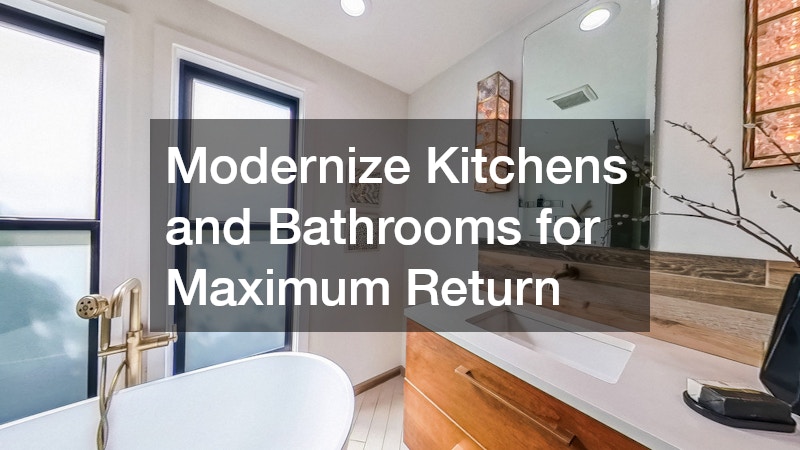
Kitchen and bathroom renovations consistently rank among the most valuable home improvement projects because these spaces receive daily use and significantly influence buyer impressions.
Rather than pursuing extravagant luxury remodels, homeowners often achieve better returns by focusing on thoughtful updates that improve function, storage, and appearance.
Working with an experienced home remodeling company allows homeowners to prioritize improvements that balance cost with long-term value. Professional guidance helps ensure projects remain cohesive while avoiding unnecessary expenses.
High-impact upgrades may include:
- Installing durable countertops
- Updating cabinet hardware
- Refinishing or replacing cabinets
- Improving task lighting
- Installing water-efficient fixtures
- Replacing outdated backsplashes
- Upgrading sinks and faucets
- Improving pantry or bathroom storage
Bathrooms benefit from similar attention. Replacing worn flooring, improving ventilation, upgrading vanities, and installing modern lighting can make the entire room feel newer without requiring a complete renovation.
When selecting finishes, neutral colors and timeless materials generally appeal to a broader range of buyers than bold design trends. Durable surfaces also require less maintenance, making them attractive for future homeowners.
A carefully planned renovation creates spaces that feel updated while remaining practical for years to come.
Work With Experienced Professionals From the Beginning
Even relatively simple renovation projects become more successful when properly planned. Coordinating schedules, permits, inspections, budgets, and subcontractors requires careful organization that many homeowners underestimate.
Experienced general contractors oversee multiple aspects of construction while helping projects remain on schedule and within budget. Their expertise often prevents costly mistakes that occur when work is performed out of sequence or without proper planning.
Before hiring any contractor, homeowners should:
- Verify licenses and insurance.
- Request references from previous clients.
- Review completed projects.
- Obtain detailed written estimates.
- Clarify project timelines.
- Understand warranty coverage.
- Confirm permit responsibilities.
Communication is equally important throughout the renovation process. Homeowners should establish clear expectations regarding scheduling, material selections, payment milestones, and potential change orders before work begins.
Hiring qualified professionals often results in:
- Better craftsmanship
- Improved project coordination
- Greater code compliance
- Fewer unexpected delays
- Stronger long-term durability
Although professional services may increase upfront costs, they frequently reduce expensive corrections later while protecting the overall investment.
Increase Comfort With Modern Heating and Cooling Upgrades
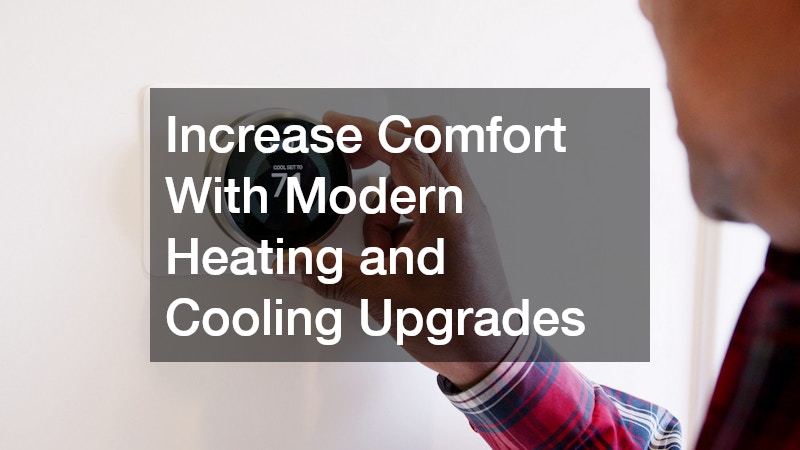
Comfort plays an important role in how buyers perceive a home’s overall quality. An efficient heating and cooling system contributes to better indoor air quality, consistent temperatures, and lower operating costs.
Experienced HVAC contractors can evaluate whether existing equipment continues to operate efficiently or if replacement would provide greater value. Older systems often consume more energy while requiring increasingly frequent repairs.
Beyond replacing major equipment, homeowners can improve system performance through several upgrades:
- Install programmable or smart thermostats.
- Improve airflow by balancing duct systems.
- Seal duct leaks.
- Upgrade return air filtration.
- Add whole-home humidity control.
- Schedule seasonal preventive maintenance.
These improvements not only enhance comfort but also extend equipment lifespan and improve overall efficiency.
Signs that an HVAC system may require attention include:
- Uneven temperatures between rooms
- Frequent cycling
- Rising utility bills
- Excessive indoor humidity
- Unusual noises
- Weak airflow
- Persistent dust accumulation
Investing in heating and cooling improvements demonstrates responsible homeownership and reassures prospective buyers that major mechanical systems have been properly maintained.
Expand Functional Outdoor Living Spaces
Outdoor improvements can significantly increase usable living space while enhancing curb appeal. Buyers increasingly value properties that offer organized storage, privacy, and attractive outdoor environments.
Professional fence installation improves both security and aesthetics. A quality fence defines property boundaries, creates privacy, and provides safer outdoor spaces for children and pets.
When selecting fencing materials, homeowners should consider:
- Long-term maintenance requirements
- Durability
- Neighborhood appearance
- Local regulations
- Overall property style
Adding functional storage also increases property value. An experienced shed builder can design structures that complement the home’s architecture while providing space for lawn equipment, seasonal decorations, bicycles, and gardening supplies.
Well-designed storage solutions help reduce garage clutter and improve overall organization.
Additional outdoor improvements that complement fencing and storage include:
- Landscape lighting
- Mulched planting beds
- Native landscaping
- Patio seating areas
- Outdoor kitchens
- Fire pits
- Garden pathways
- Rainwater management systems
Together, these upgrades create outdoor spaces that extend everyday living beyond the home’s interior.
Boost Curb Appeal With Durable Exterior Improvements

Create a Long-Term Upgrade Strategy That Maximizes Return
Homeowners often achieve better financial results by viewing renovations as an ongoing investment rather than isolated projects. Prioritizing improvements based on need, budget, and expected return helps maximize both enjoyment and resale value.
A long-term improvement plan should begin with maintenance, followed by energy efficiency upgrades, functional renovations, and finally cosmetic enhancements. This approach ensures every dollar contributes toward improving the home’s overall condition.
Rather than tackling projects as problems arise, develop a multi-year improvement schedule that accounts for the age and condition of major home systems. For example, if the roof, water heater, or HVAC system is approaching the end of its expected lifespan, budgeting for replacement ahead of time can prevent financial strain and avoid emergency repairs. Planning ahead also allows homeowners to compare contractors, purchase materials during seasonal promotions, and complete projects during favorable weather conditions.
An effective planning strategy includes:
- Completing annual home inspections.
- Creating a dedicated maintenance budget.
- Addressing small repairs promptly.
- Keeping records of completed projects.
- Saving receipts and warranty information.
- Scheduling seasonal maintenance.
- Planning renovations several years in advance.
It is also helpful to distinguish between necessary improvements and optional upgrades. Essential repairs that protect the home’s structure or improve safety should always take priority over aesthetic changes. Once those needs have been addressed, homeowners can focus on projects that improve daily living while adding long-term value.
Homeowners should also research neighborhood property values before beginning major projects. Investing significantly more than surrounding homes may limit potential returns, while carefully selected upgrades often keep a property competitive within its local market.
Keeping documentation of every improvement can also benefit homeowners when it comes time to sell. Organized records demonstrate that the property has been well maintained and may provide reassurance to prospective buyers during inspections and negotiations. Photos of completed work, contractor invoices, and product warranties all help support the home’s value.
It is equally important to consider buyer preferences if selling is likely within the next several years. Neutral finishes, quality craftsmanship, energy-efficient features, and well-maintained mechanical systems consistently appeal to the broadest range of buyers.
Finally, avoid attempting too many projects simultaneously. Completing renovations in manageable phases allows homeowners to better control budgets, maintain quality, and make informed decisions as priorities evolve.
Increasing property value involves much more than updating appearances. The most successful home improvements strengthen the home’s structure, improve efficiency, enhance comfort, and reduce future maintenance. By focusing on practical upgrades that deliver lasting benefits, homeowners create spaces that are more enjoyable to live in while making their properties more attractive to future buyers. Careful planning, quality workmanship, and ongoing maintenance remain the foundation of every valuable home improvement investment.