



Your home sends you messages all the time, but most of us are too busy to notice until something breaks in a big, expensive way. A musty smell, a strange noise, or a hairline crack might seem minor, but they are often early warnings of problems that only get costlier the longer they wait. Learning to recognize these signals now can save you thousands of dollars and a lot of stress later. This guide walks through the most common warning signs, room by room and system by system, so you know exactly what to look for and when to call in help.
Uneven Heating and Cooling Throughout the House
If some rooms feel like a sauna while others feel like a walk-in cooler, your HVAC system is likely struggling to distribute air evenly. This can point to duct problems, a failing blower motor, or a unit that is simply too old to keep up with your home’s demands. Ignoring these inconsistencies often leads to higher energy bills and more strain on the system over time.
A licensed technician offering HVAC services can pinpoint whether the issue is with airflow, insulation, or the equipment itself. Catching this early often means a simple repair instead of a full system replacement down the road.
- Rooms far from the thermostat are noticeably warmer or colder
- Vents blow weak or inconsistent airflow
- Energy bills have crept up without a change in usage
- The system runs constantly but never quite reaches the set temperature
Strange Noises or Weak Airflow From Your Heat Pump

Heat pumps are generally reliable, but they are not silent workhorses forever. Clicking, buzzing, or grinding sounds usually mean something mechanical is loose, worn, or failing inside the unit. Weak airflow paired with these noises often signals a refrigerant issue or a motor problem that needs professional attention.
Scheduling heat pump repair as soon as you notice these symptoms can prevent a small fix from turning into a complete breakdown during the coldest or hottest week of the year. Waiting too long often means paying for both the repair and the emergency service fee that comes with it.
- Ice buildup on the outdoor unit outside of normal winter conditions
- Short cycling, where the unit turns on and off frequently
- A noticeable drop in heating or cooling efficiency
- Unusual odors coming from the vents
Water Stains or Discoloration on Ceilings and Walls
Brownish rings on your ceiling or bubbling paint on a wall almost always point to a water intrusion problem somewhere above or behind that surface. Sometimes it is a slow roof leak, and other times it is a pipe that has been sweating or leaking inside a wall cavity for months. Either way, the stain is just the visible tip of a much bigger problem.
If the source turns out to be your roof, getting roofing estimates from a couple of qualified companies helps you understand the scope and cost before committing to repairs. Comparing estimates also gives you a chance to ask questions about materials and warranty coverage, which matters just as much as the price.
Missing, Curling, or Granule-Loss Shingles on Your Roof
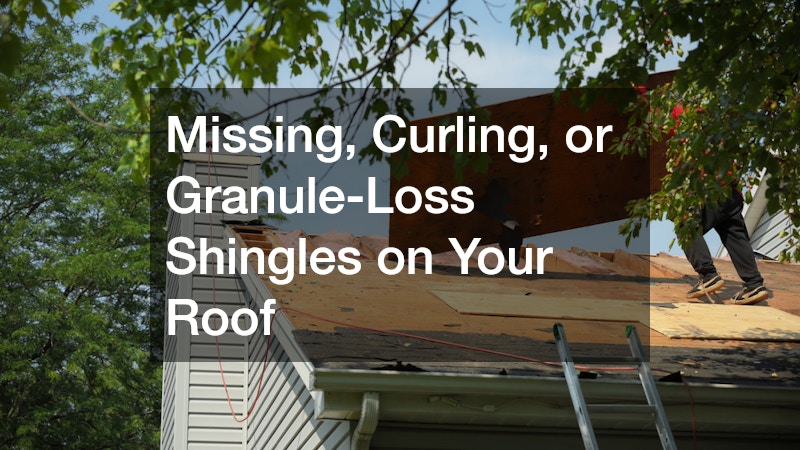
Your roof takes more abuse than almost any other part of your house, from sun exposure to hail to wind-driven rain. Shingles that are curling at the edges, cracking, or losing their protective granules are telling you the material is nearing the end of its useful life. Most asphalt shingles last 20 to 25 years, and if yours are approaching that age, even minor wear deserves a closer look. Check your gutters and the ground below your downspouts for gritty, sand-like granules — this is often the first sign of trouble, since those granules protect shingles from UV rays and once they’re gone, the shingle degrades much faster. Curling can show up in two forms: cornering, where edges turn upward, and clawing, where the middle rises while edges stay flat. Both indicate moisture damage or age and mean the shingle can no longer form a tight seal against wind and rain. Missing shingles are the most urgent warning sign, since they expose the underlayment and roof deck directly to the elements. Even a single missing shingle after a windstorm can let water seep in within days, especially if it’s followed by heavy rain. If you notice any of these issues, a roofing professional can tell you whether a patch repair will hold or whether it’s time to plan for full replacement. Left unaddressed, these small issues can turn into active leaks during the next heavy storm, and what starts as a $300 repair can escalate into thousands of dollars in water damage, mold remediation, or structural repairs to the decking and attic insulation.
Take a walk around your house and look up at the roofline. Missing shingles, curling edges, or bald patches where granules have worn away are all signs that your roof’s protective barrier is breaking down. You might also notice granules collecting in your gutters or at the base of downspouts, which is another red flag that shingles are past their prime. Reaching out to experienced roofing contractors for an inspection is a smart move even if you do not see an obvious leak yet. A typical inspection costs somewhere between $150 and $400, but it can save you thousands by catching problems early. Roofing contractors can spot underlying issues like soft decking, damaged flashing, or trapped moisture that are not visible from the ground. Timing matters too. Asphalt shingles generally last 20 to 25 years, so if your roof is approaching that age and showing wear, it is worth scheduling an inspection before the next major storm rather than after.
- Granules collecting in gutters or at the base of downspouts, especially after heavy rain or wind — a sign your shingles are losing their protective coating
- Shingles that appear cupped, cracked, curled at the edges, or completely missing after a storm
- Bald or shiny patches on the roof where granules have worn away, leaving the asphalt exposed to sun damage
- Sagging areas along the roofline, which can signal water damage or structural issues in the decking below
- Daylight visible through the attic boards, indicating gaps or holes that let in moisture and pests
- Dark streaks or moss growth on the roof surface, often pointing to trapped moisture and aging shingles
- A roof older than 15-20 years showing any of these signs, since most asphalt shingles are rated for 20-30 years but degrade faster in extreme climates
Slow Drains and Recurring Clogs in Sinks or Tubs
A drain that empties slowly or backs up repeatedly is not just an annoyance, it is a sign that something is restricting flow deeper in the pipe. This could be grease buildup, tree root intrusion, or a partial blockage that keeps growing with every use. Chemical drain cleaners often provide only temporary relief and can even damage older pipes over time.
If plunging and store-bought solutions are not solving the problem, it is time to call in professional drain services to clear the line properly. Techniques like hydro jetting or camera inspections can identify exactly where the blockage is and fix it without guesswork.
- Multiple drains in the house are slow at the same time
- Gurgling sounds coming from pipes when water runs elsewhere
- Unpleasant odors rising from the drain
- Water backing up into a different fixture when you run another
Peeling Paint, Chalking, or Fading on Interior Walls
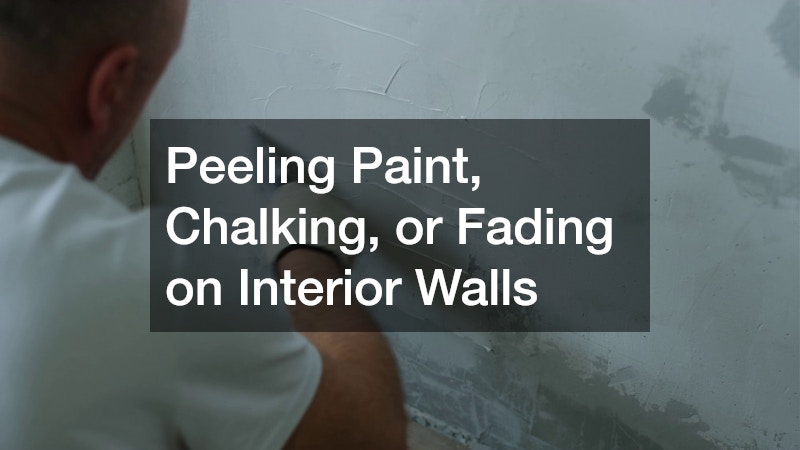
Paint is not just decorative, it also acts as a protective layer against moisture and everyday wear. When paint starts peeling, bubbling, or chalking, it is often a sign of excess humidity, poor surface prep from a previous job, or simply age catching up with the walls. These issues tend to spread if the underlying moisture problem is not addressed first.
Bringing in interior painting companies to assess the walls can reveal whether the fix is cosmetic or whether there is a ventilation or moisture issue that needs to be solved first. A quality repaint done correctly can last well over a decade, so it is worth doing it right the first time.
Cracked, Chipped, or Outdated Kitchen and Bathroom Surfaces
Countertops take a beating from hot pans, sharp knives, and daily scrubbing, and eventually that wear starts to show. Cracks, deep stains, and chips are not just cosmetic issues, they can also harbor bacteria and make cleaning more difficult. If your surfaces are original to a home built decades ago, they may also be made of materials that are no longer holding up well against modern use.
Many homeowners find that investing in custom countertops during a kitchen or bathroom refresh adds both function and value to the space. Materials like quartz and granite resist heat and staining far better than older laminate options, which makes them a practical long-term choice.
Disorganized or Overcrowded Garage Storage Space

A garage that has become a dumping ground for boxes, tools, and holiday decorations is more than just an eyesore, it can also be a safety hazard. Clutter blocks walkways, hides potential pest problems, and makes it harder to spot leaks or damage on the floor and walls underneath. Over time, disorganization also leads to items getting damaged by moisture or temperature swings.
Installing garage cabinets is one of the most effective ways to reclaim that space and keep everything visible and accessible. Wall-mounted and freestanding systems both work well, depending on how much floor space you need to preserve for vehicles or workbenches.
- Items stacked so high they block windows or vents
- Difficulty finding tools or seasonal items when needed
- Boxes sitting directly on a concrete floor that shows moisture
- No clear path to walk through the space safely
Leaning, Rotting, or Damaged Fencing Around the Property
Fences take on constant exposure to weather, soil movement, and general wear, and it shows up gradually in the form of leaning posts, splitting boards, or rusted hardware. A fence that no longer stands straight is not just a cosmetic problem, it can also mean the property line boundary and security function are compromised. Wood fences in particular are prone to rot near the ground where moisture collects.
In many cases, replacing worn fence parts like hinges, brackets, and individual boards is far more affordable than tearing out and rebuilding the entire fence line. Regular inspections after major storms can help you catch small issues before an entire section needs replacing.
- Posts that wobble or lean when pushed
- Visible rot or insect damage near the base of wood sections
- Rusted or broken hardware on gates
- Gaps forming between panels or pickets
Low Water Pressure or Unexplained Increases in Your Water Bill
A sudden drop in water pressure or a water bill that spikes without an obvious reason often points to a hidden leak somewhere in your plumbing system. These leaks can occur underground, inside walls, or even within the water heater itself, and they rarely announce themselves loudly. A good rule of thumb: if your usage jumps by more than a few hundred gallons compared to your average monthly bill, it’s worth investigating right away. Low pressure has its own set of common culprits worth ruling out. Mineral buildup in old galvanized pipes, a failing pressure regulator, or a partially closed shutoff valve can all mimic the symptoms of a leak. A simple way to narrow things down is to check your water meter at night when nothing is running—if the dial is still moving, water is escaping somewhere. Left unchecked, hidden leaks can lead to mold growth, foundation issues, or wasted water that adds up fast, sometimes hundreds of dollars over just a few months. Slab leaks in particular can undermine a home’s foundation over time, leading to cracks and costly structural repairs. If you notice warm spots on your flooring, damp patches in the yard, or the sound of running water when everything’s off, it’s time to call a plumber for a proper leak detection inspection.
If your water pressure has dropped noticeably or your bill has spiked without a change in usage, don’t ignore it. These symptoms often point to a hidden leak, corroded pipes, or a failing water heater—problems that only get worse and more expensive the longer they go unaddressed. A leak as small as a pinhole can waste over 100 gallons of water a day, quietly driving up costs while damaging drywall, flooring, and foundations behind the scenes. Calling licensed plumbers to run a pressure test and inspect the system is the most reliable way to find the source before it causes structural damage. Normal residential water pressure typically falls between 40 and 60 psi, so a reading well below that range is a strong signal something’s wrong. A skilled plumber can also check whether the issue is isolated to one fixture or points to a bigger problem in the main line. Beyond a standard inspection, plumbers may use tools like acoustic leak detectors or thermal imaging to pinpoint leaks hidden inside walls or under slabs without unnecessary demolition. They can also test your water heater and shutoff valves, since aging components in either can quietly contribute to pressure loss. Catching these issues early often means the difference between a simple repair and a full-scale plumbing overhaul.
- Water bills increasing without a change in household usage, especially a jump of 20% or more between billing cycles
- Pressure that drops when multiple fixtures are used at once, such as the shower losing force when the dishwasher or washing machine kicks on
- Damp patches in the yard with no clear cause, particularly along the line running from your house to the street
- A water meter that keeps running even when everything is turned off — check by shutting off all fixtures and watching the meter’s leak indicator for 15-20 minutes
- Unusually lush or fast-growing grass in one isolated area, which can signal water pooling underground
- Warm spots on floors or walls, a possible sign of a hot water line leak inside the slab or behind drywall
None of these warning signs are worth ignoring, since small problems rarely stay small when it comes to your home. The good news is that most of them are manageable once you catch them early and bring in the right professional for the job. Take a walk through your home this weekend with this list in hand and address anything that sounds familiar. Acting now, rather than waiting for a bigger failure, is the simplest way to protect both your budget and your peace of mind.